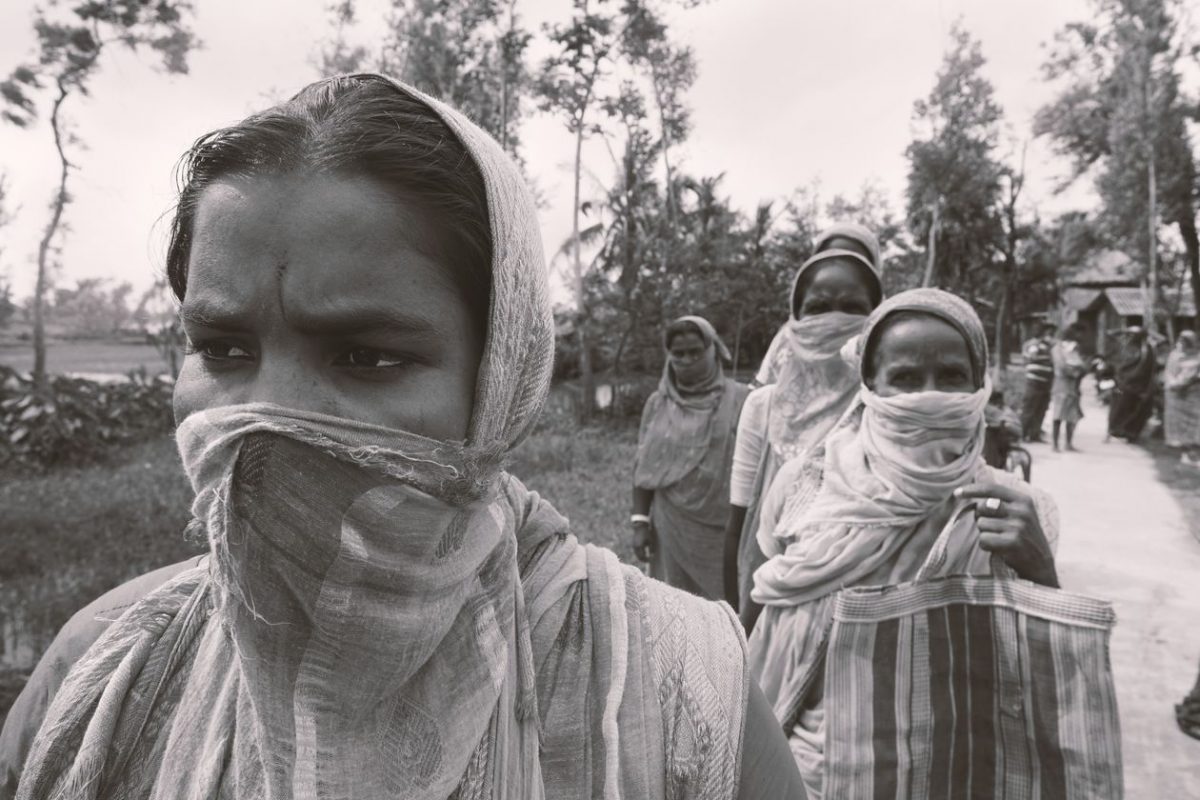
As we all know that COVID-19 was initiated in the Wuan area of China and later it spread across the various countries of the world. Even, India was not an exception to this.
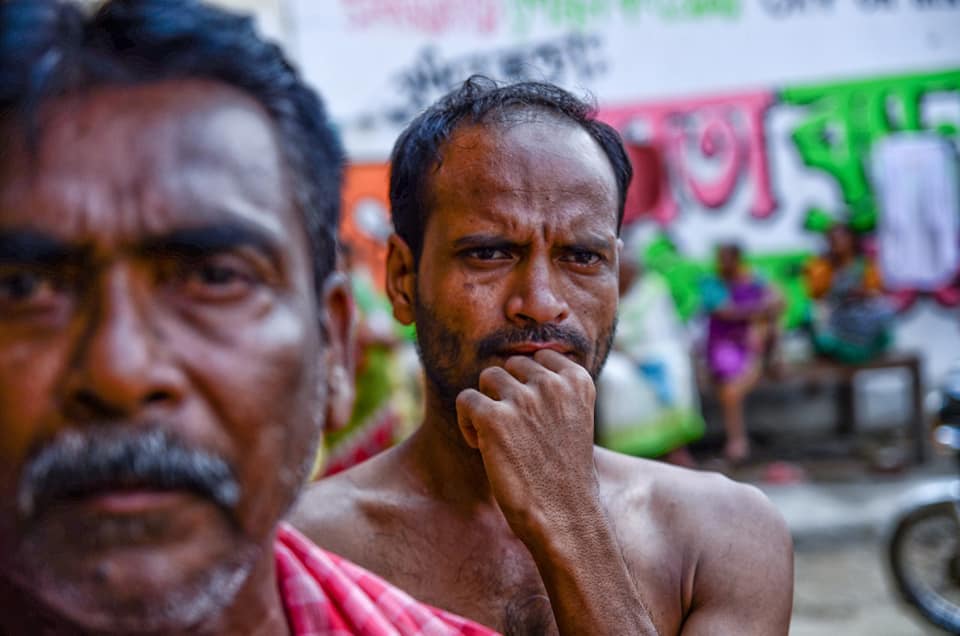
The situation of this place is very bad and due to COVID-19 along with the cyclonic storm Amphan, it even became worse. COVID-19 was further accompanied by lockdown and that brought a halt on their source of income.
Amphan was a powerful and deadly tropical cyclone that caused widespread damage and destruction in the Eastern India, specifically West Bengal, on 20th May 2020 as the cyclone made landfall in West Bengal.

After the Amphan subsided, various NGOs were making an initiative to visit the area with food and relief materials for the upliftment of the people living in those areas.
Keeping in mind, the status of the women and girl child of those remote areas, PinkFlag Foundation along with the local administration surveyed the area and came up with an idea to help these feminine folks. The main concern was
the health of women of these areas were highly neglected, their basic hygiene & heath just went for a toss and was considered as not important due to the lack of awareness.

After the disaster passed away, the situation was not even normal. There was
no room for shelter. People stayed in open boats as their homes were
devastated by the storm. There was lack of proper food and drinking water.
With the assistance of the local administration, the PinkFlag Foundation took
a small initiative in distributing relief materials to the destruction stricken
areas of South 24 Parganas.
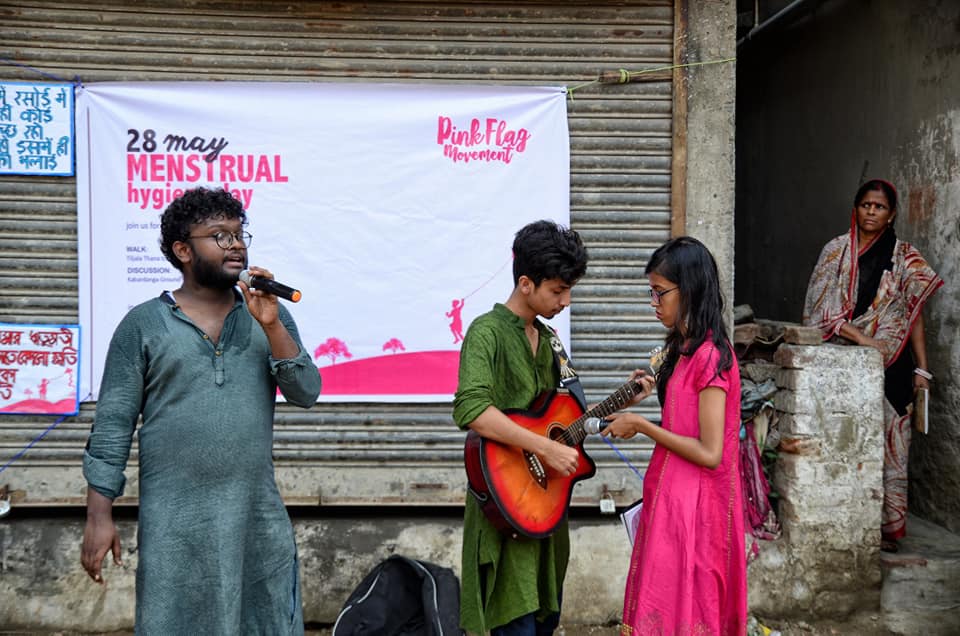
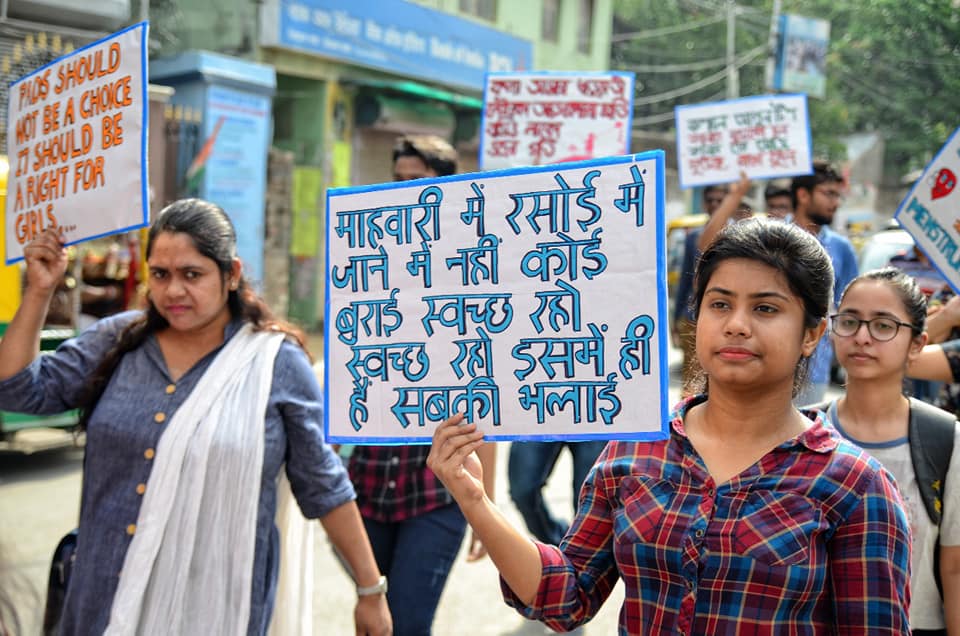
Pink Flag always stood by the women and adolescence girl child and decided
to help these people in spreading awareness regarding the health of the local
inhabitants especially the women and adolescence girl child. Pink Flag also
organized for various campaigns for the betterment of the people of these
remote areas.

On 28th June 2020, the Pink Flag Foundation distributed Hygiene Kit
having Sanitary Napkins, Towel, Soap, and Dry Foods to 3 villages where the relief
(Sanitation Packages) has been provided to around 250 women and girls. The
breakdown has been provided below;
- 115 people in Bongheri Chondon Baandh Road,
- 70 people in Panchayat Bazar, and
- 65 people in Kuntoli Thana more.